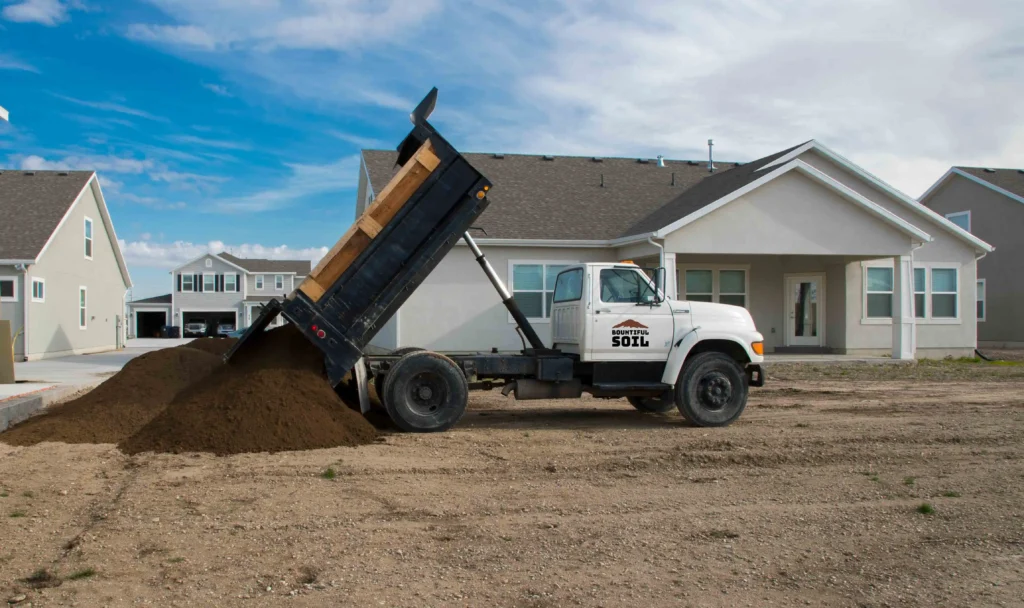
Seasonal Planting Calendar for Northern Utah: Soil Prep, Mulch Depth, and Lawn Care
Use soil temperature and your neighborhood’s frost window to time seasonal planting and lawn care in Northern Utah. Calendar dates help, but soil warms and cools at different speeds across the Wasatch Front. This guide gives you a season-by-season plan for soil prep, compost timing, mulch depth, and lawn tasks like aeration and overseeding.
Key takeaways
Time planting with soil temperature + frost risk, not just the month.
Add compost when you can water it in and keep it from drying out.
Refresh mulch to a consistent depth and keep it off crowns and trunks.
For most cool-season lawns, fall is the easiest window for aeration and overseeding.
Water deeper and less often, then adjust for heat, wind, and restrictions.
Estimate materials in cubic yards early so you don’t run short.
Quick calendar (what to do each season)
This is the fast, practical view. If you want the “why,” the next sections cover frost dates, soil temperature, and decision rules. Use this as your weekend planning checklist.
Late winter to early spring
Late winter is mostly about setup. You’re getting beds and systems ready so spring work is faster and cleaner. Avoid heavy soil work if the ground is wet or frozen.
Checklist
Clean beds: pull last year’s stems and weeds.
Test drainage: if soil stays soggy, pause heavy amendments until it dries.
Start seeds indoors if you grow warm-season crops.
Service irrigation and fix spray patterns early.
Decision rule
If soil is sticky and clumps in your hand, don’t till or dig yet. Working wet soil compacts it.
Spring
Spring is prime time for cool-season planting and early soil improvement. It’s also when lawns wake up and start responding to mowing and watering adjustments. Expect big swings in temperature.
Checklist
Add compost to beds when soil is workable.
Plant cool-season crops when frost risk is acceptable for that plant.
Refresh mulch after you’ve weeded and soil has started to warm.
Start mowing once grass is growing steadily.
Decision rule
If nights still dip near freezing, protect tender plants or wait on warm-season crops.
Early summer
Early summer is when warm-season plants finally root and grow reliably. Your job shifts from “prep” to “keep things consistent,” especially water and mulch coverage. Fix problems early before heat compounds them.
Checklist
Plant warm-season crops after soil is consistently warm.
Check mulch coverage and top up thin spots.
Verify sprinkler coverage and adjust heads for full overlap.
Tradeoff
Planting early can extend the season, but cold soil slows roots and increases stress.
Mid to late summer
This stretch is about maintenance and reducing stress. You’re managing heat, wind, and water loss. It’s also the time to plan your fall lawn work.
Checklist
Keep up deep watering and avoid frequent light sprinkling.
Spot-repair mulch after wind or irrigation washouts.
Line up supplies for fall aeration and overseeding.
Decision rule
If the lawn looks heat-stressed, avoid aggressive work. Focus on watering, mowing height, and limiting traffic.
Fall
Fall is the best season to improve a cool-season lawn in Northern Utah. Cooler days support root growth and reduce heat stress. It’s also an excellent time to build soil for next spring.
Checklist
Aerate and overseed as temperatures cool.
Topdress lightly if you’re improving soil structure.
Clean beds and add compost so it breaks down over winter.
Refresh mulch after fall planting and cleanup.
Decision rule
If you’re choosing one season to renovate a lawn, pick fall.
Winter prep
Winter prep is about protecting what you built. Covered soil handles freeze-thaw cycles better and loses less moisture. A little planning here saves time in spring.
Checklist
Keep soil covered with mulch, leaves, or a cover crop.
Winterize irrigation as needed.
Store amendments covered so they don’t saturate and clump.
Northern Utah timing rules: frost dates and soil temperature
Northern Utah timing varies by elevation, slope, and even which side of the street you’re on. Frost dates are useful, but they’re not guarantees. Soil temperature is the more reliable signal for when plants will actually establish.
Decision rules for planting by soil temperature
Cool-season crops and grass seed: plant when soil is cool but trending upward.
Warm-season vegetables and annuals: wait until soil is consistently warm so roots take off.
Big day-to-night swings: slow down and protect at night if you plant early.
Decision rule
If morning soil temps are still low and unstable, wait a bit longer or plan on covering tender plants.
How to measure soil temperature (fast method)
Pick a representative spot, not next to a sun-heated wall.
Check in the morning for a conservative reading.
Measure 2–4 inches deep for garden beds. For lawns, measure near root depth.
Repeat for 2–3 mornings so one warm afternoon doesn’t trick you.
Soil prep by season (beds and gardens)
Good soil prep is less about “doing everything” and more about doing the right thing at the right time. Compost timing matters because it only helps if it stays moist enough to integrate. Your goal is workable, crumbly soil that drains well and holds moisture.
Compost timing checklist
Apply compost when you can water it in for the next week or two.
Avoid spreading right before heavy wind if the area is bare and dry.
For new beds, mix into the top layer. For established beds, topdress and let moisture pull it down.
Decision rule
If your soil is compacted, address compaction first. Compost helps, but it won’t fix drainage on its own.
When to add topsoil vs a garden soil blend
Choose based on the job
Topsoil: raise grade, repair low spots, or build a base layer.
Garden soil blend: fill beds and raised beds with a ready-to-plant mix.
Compost: improve existing soil over time and support soil biology.
Mulch depth and refresh schedule
Mulch is one of the simplest upgrades that makes seasonal planting easier. The right depth reduces watering swings and helps suppress weeds. The wrong depth can cause problems around crowns and trunks, so placement matters.
Mulch depth decision rules
If you want moisture control and fewer weeds, keep a consistent layer across the bed.
Keep mulch off plant crowns and tree trunks. Leave a small gap for airflow.
Decision rule
If mulch is piled against stems or trunks, pull it back. That’s where rot and pests tend to start.
Mulch refresh checklist (spring and fall touch-ups)
Rake mulch back and pull weeds first.
Break up crusted spots so water can soak in.
Top up thin areas that show bare soil.
Fix irrigation spray that blasts mulch out of place.
Lawn care calendar: aeration, overseeding, mowing, and watering
Northern Utah lawns do best when you work with the season, not against it. Cool-season grasses respond strongly in spring and fall and struggle in peak summer heat. This section gives you timing rules and practical maintenance steps.
Aeration and overseeding timing rules
Best window: usually fall for Northern Utah cool-season lawns.
If the lawn is hard, puddles, or feels compacted: plan aeration.
If the lawn is thin or patchy: overseed after aeration.
Keep seed consistently moist until established.
Tradeoff
Spring overseeding can work, but summer heat can stress young grass. Fall usually gives seedlings a better runway.
Watering schedule rules of thumb
Your exact schedule depends on soil, sun, wind, and local restrictions. Instead of copying a neighbor’s timer, use these checks.
Checklist
Water early in the day.
Water deep enough to reach roots, then let the surface dry slightly between cycles.
Reduce frequency as weather cools or rain arrives.
Watch the lawn: lingering footprints, bluish tint, and curling blades are common “water me” signals.
Common lawn mistakes to avoid
Light daily watering that trains shallow roots.
Mowing too short during heat.
Overseeding without consistent watering.
Ignoring soil improvement and compaction.
How much to order (cubic yards) for topdressing, beds, and mulch
Most DIY projects go sideways because the material estimate is off. A simple yardage calculation keeps you from running short mid-job. Use the formula below for compost, soil, and mulch.
Lawn topdress: 1,000 sq ft at 2 inches 1,000 × 2 ÷ 324 = about 6.2 cubic yards
Garden bed refresh: 200 sq ft at 3 inches 200 × 3 ÷ 324 = about 1.9 cubic yards
Small area level-up: 500 sq ft at 1 inch 500 × 1 ÷ 324 = about 1.5 cubic yards
Decision rule
If you’re close, round up. Running short is the fastest way to stall a project.
Ordering and delivery notes (Northern Utah)
Bulk delivery goes smoothly when the drop zone and access are planned ahead. Most issues come from tight driveways, blocked curbs, or unclear placement expectations. Take two minutes to plan the landing spot before you schedule delivery.
Checklist
Pick a curbside drop spot that won’t block cars, mailboxes, or drainage.
If you want placement beyond the curb/property line, plan to be present and sign the required damage waiver.
If you’re comparing locations, check delivery rates by city before you finalize.
FAQs
When should I plant in Northern Utah if frost dates vary by neighborhood?
Use frost dates as a risk guide, then confirm with soil temperature and the 7–10 day forecast. Cold pockets and elevation can shift timing.
What soil temperature should I look for before planting warm-season vegetables?
Use a soil thermometer and look for consistent warmth over several mornings. Warm-season plants root better when soil stays warm, not just the air.
When is the best time for aeration and overseeding in Northern Utah?
For most cool-season lawns, fall is the easiest window to establish seed with less heat stress.
How thick should mulch be, and how often should I refresh it?
Keep a consistent layer and refresh thin spots in spring and as-needed through the season. Keep mulch off crowns and trunks.
Can I topdress my lawn with compost, and when should I do it?
Yes. Use a light layer and rake it in so grass blades aren’t buried. Time it when you can water it in and avoid letting it dry out.
How do I set a watering schedule without overwatering?
Water deeper and less often, then adjust for heat, wind, and your soil. Let the lawn and soil tell you when it’s time.
How many cubic yards do I need for a garden bed or lawn topdressing?
Use (square feet × inches) ÷ 324. Round up if you’re close.
Do you deliver curbside, and can you place it beyond the curb?
Standard is curbside delivery. Beyond-curb placement requires you to be present and sign a damage waiver.